
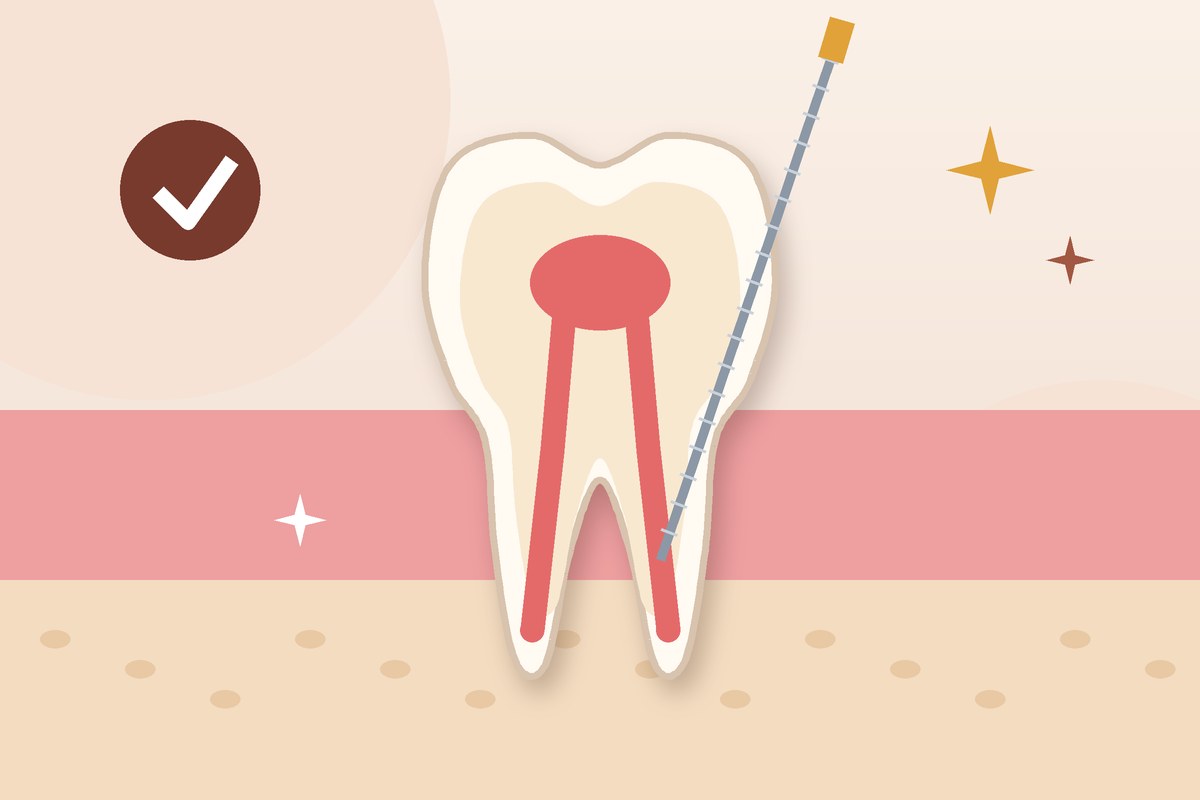
Many people in Tirur feel scared when they hear the words “root canal.” The truth is simple: root canal treatment is a safe, common procedure that saves your natural tooth and takes away tooth pain. With modern methods and local anaesthesia, most patients say it feels like getting a normal filling.
What is root canal treatment?
Inside every tooth is soft tissue called the pulp. It holds nerves and blood vessels. When deep decay, a crack or an injury lets bacteria reach the pulp, it becomes infected and painful. In a root canal treatment, the dentist removes the infected pulp, cleans the inside of the tooth, fills it and seals it so the tooth can keep working normally.
Myth 1: Root canal treatment is very painful
Fact: The pain comes from the infection, not from the treatment. The area is fully numbed before we begin, so you should feel pressure but not pain. Most people feel relief once the infected pulp is removed.
Myth 2: It is better to pull the tooth out
Fact: Your natural tooth is almost always the best option. If a tooth is removed, the gap can make nearby teeth drift and may affect your bite and chewing. Replacing it later with a bridge or dental implant costs more time and effort than saving the tooth.
Myth 3: Root canal treatment makes you sick
Fact: This idea comes from an old theory from nearly a century ago that modern research has not supported. Root canal treatment removes infection — it does not cause illness.
Myth 4: I only need it if my tooth hurts
Fact: Sometimes an infected tooth gives no pain at all. A dark tooth, a small pimple on the gum or a tooth that feels different when you bite can also be signs. That is why regular check-ups matter.
Signs you may need a root canal
- Severe toothache, especially when chewing or at night
- Lingering sensitivity to hot or cold after the drink is gone
- Swelling or tenderness in the gums near the tooth
- A tooth that has turned dark or grey
- A pimple-like bump on the gum
- A deep cavity or a cracked or broken tooth
What happens during root canal treatment?
- Check-up and X-ray to see the shape of the roots and the extent of infection.
- Local anaesthesia to numb the tooth and the area around it.
- Cleaning: the dentist opens the tooth and removes the infected pulp.
- Filling and sealing the cleaned canals so bacteria cannot return.
- Crown or final filling to protect the tooth, especially for back teeth that chew hard food.
Depending on the tooth and the infection, treatment may take one to a few visits.
Aftercare tips
- Avoid chewing hard food on the treated tooth until the final crown or filling is done.
- Mild soreness for a day or two is normal and usually settles with the medicines your dentist suggests.
- Brush twice a day, floss daily and visit your dentist for follow-ups.
Root canal treatment in Tirur
At Dr. CP’S Dental Care, Tirur, our team provides gentle root canal treatment with careful numbing and clear explanation at every step. If you have a toothache or any of the signs above, do not wait — early treatment is simpler and saves the tooth.
Frequently asked questions
Is root canal treatment painful?
No. The tooth is numbed with local anaesthesia, so most patients feel only pressure. The pain people remember is usually from the infection before treatment.
How long does a root canal take?
It depends on the tooth and the infection. Many root canals are finished in one to a few visits, each lasting around an hour or less.
Do I need a crown after a root canal?
Back teeth usually need a crown because they handle strong chewing forces. Your dentist will advise the best option for your tooth.